Danish Cord Workshop Notes
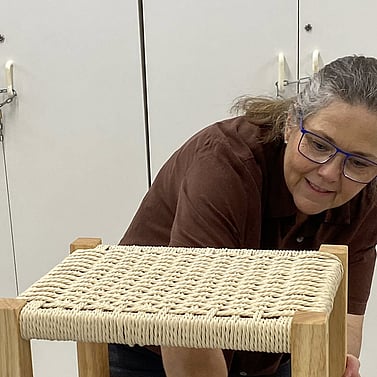
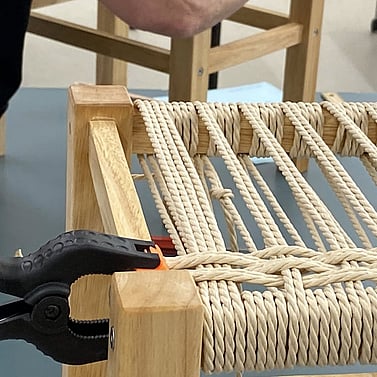
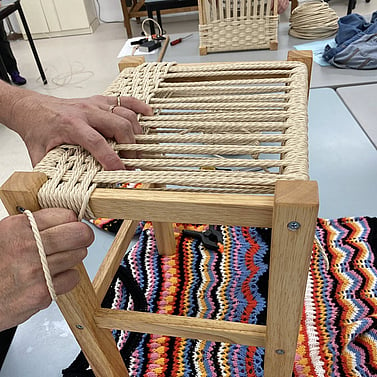
Please see the attached information sheet on Danish cord weaving. It provides an overview of the craft, including the basics of Danish cord, the weaving process, materials used, and what to expect during the workshop.
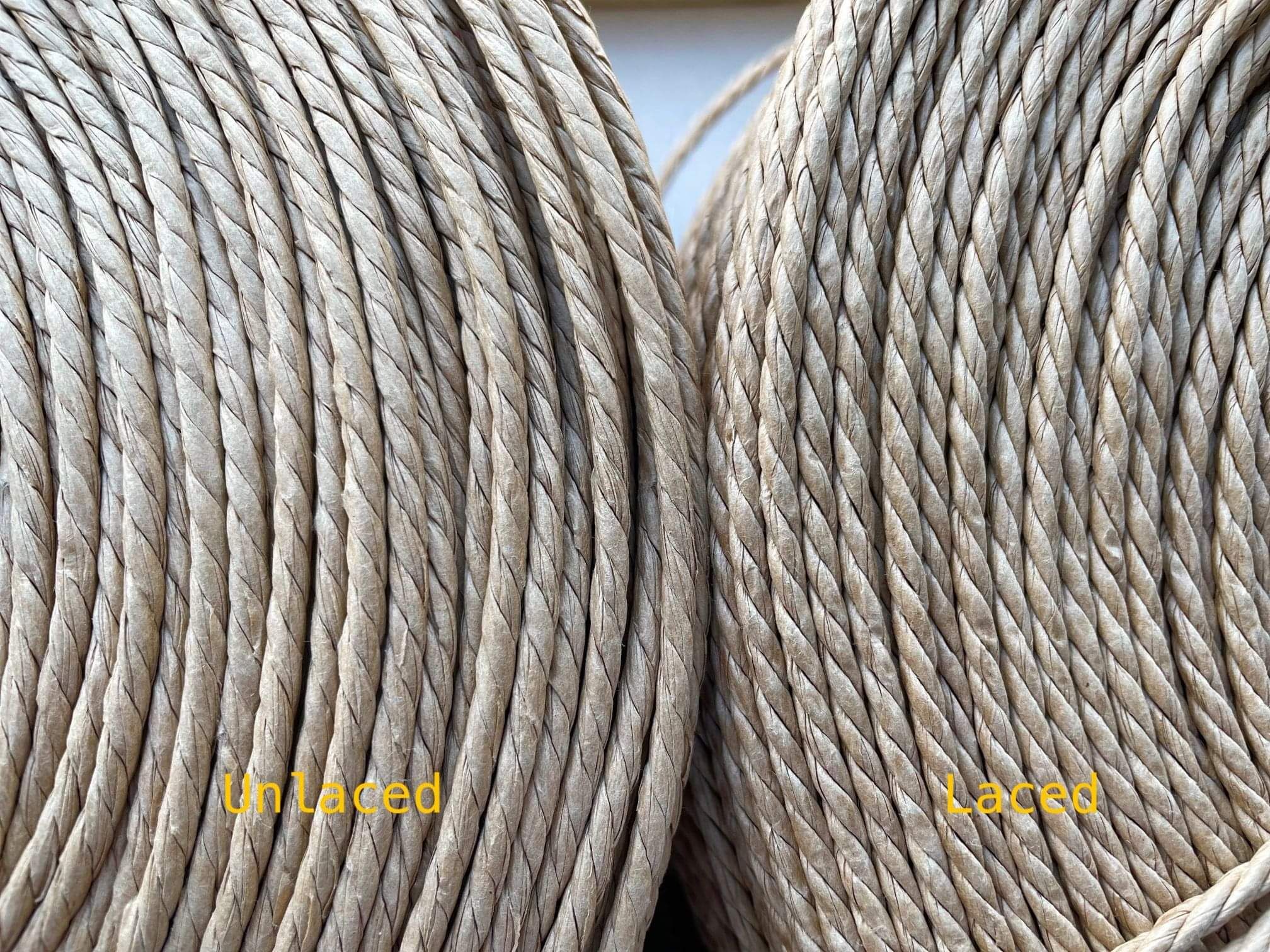
Laced vs Unlaced Danish Cord
What's the Difference?
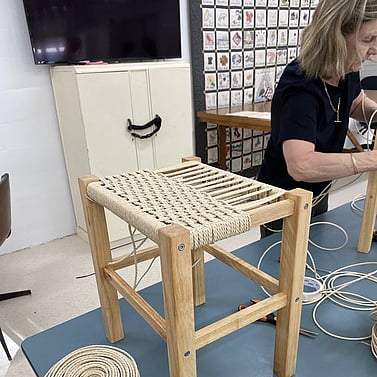
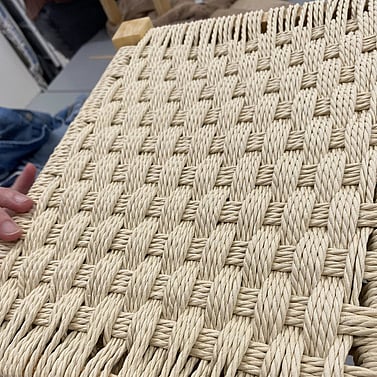
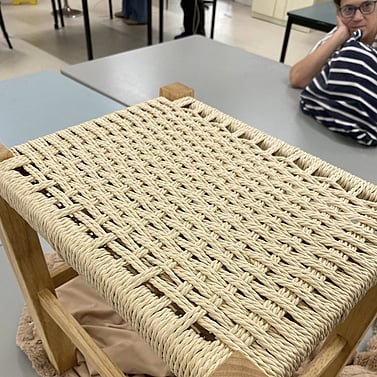
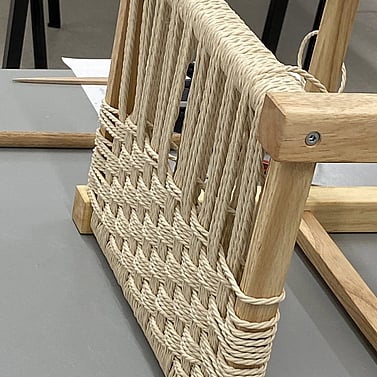
We are using Laced Danish Cord.
Although both are made from durable paper fibre and woven using the same traditional techniques, laced and unlaced Danish cord each create a distinctly different look and feel.
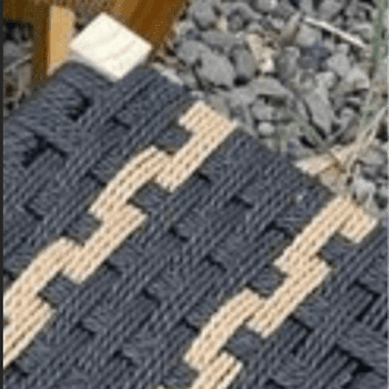
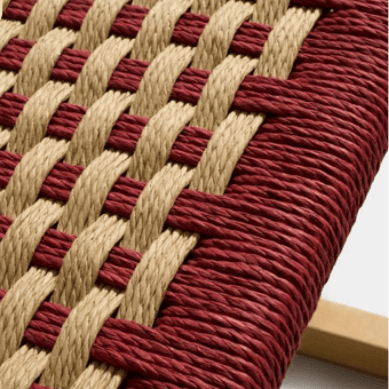
Laced Danish Cord has tightly twisted strands that give it the appearance of a fine rope. The visible spiral pattern catches the light beautifully, creating a crisp, textured finish with a subtle sheen. It's a classic choice for mid-century furniture and adds depth and character to a woven seat.
Unlaced Danish Cord has a softer, smoother appearance. The fibres are more loosely twisted, creating a clean, uniform surface with very little visible spiral. The result is a refined, understated finish that resembles traditional fibre rush, making it perfect for contemporary or minimalist designs.
Neither is better than the other. It simply comes down to the style you're trying to achieve. Laced cord celebrates texture and craftsmanship, while unlaced cord offers elegant simplicity. Both produce beautiful, incredibly strong seats that will last for many years.